Mental Health Services in Sioux Falls
Sioux Falls, South Dakota, has experienced significant growth in mental health awareness and counseling service availability over the past decade. The city’s expanding population and increased recognition of mental health importance have led to a thriving community of mental health professionals dedicated to providing comprehensive therapeutic services for individuals, families, and couples facing various life challenges.
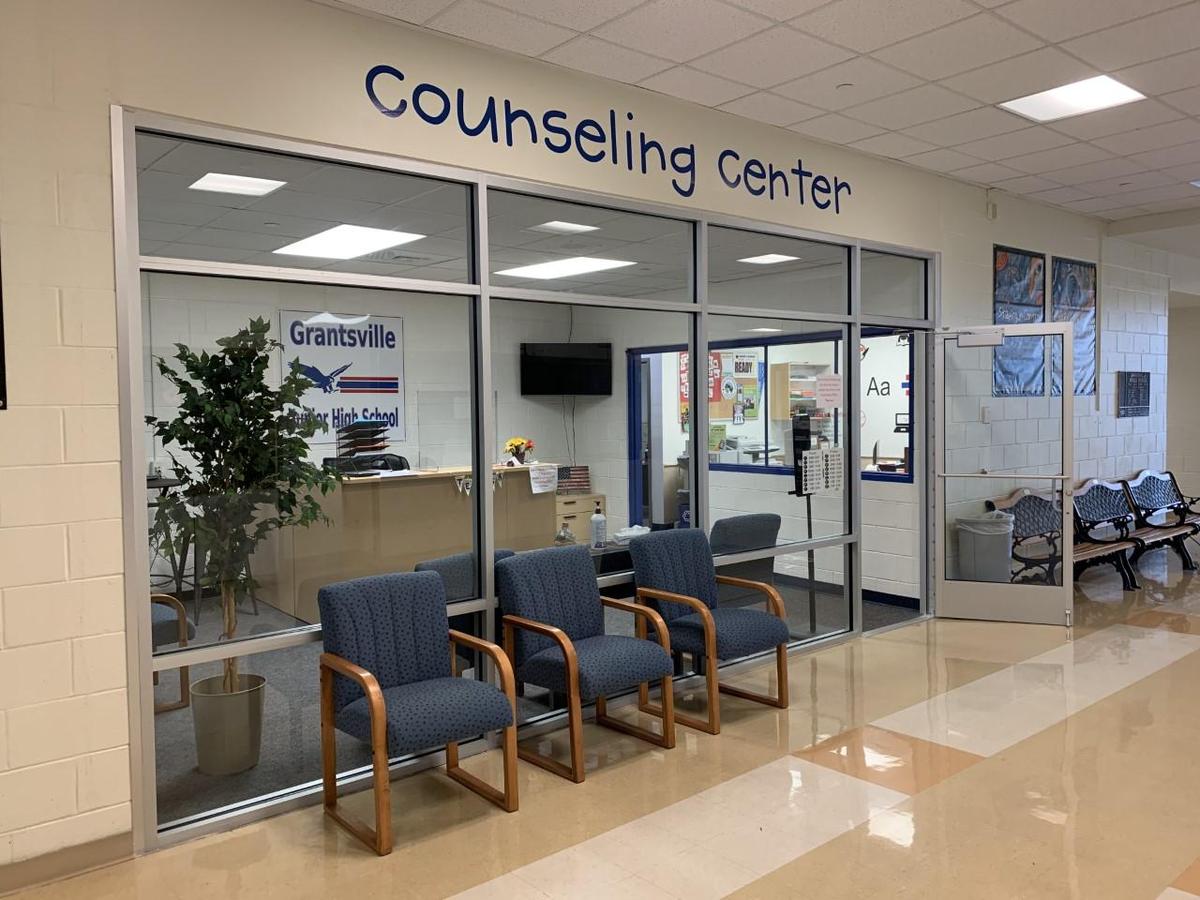
The mental health landscape in Sioux Falls reflects both urban sophistication and Midwestern values, creating a unique environment where traditional therapeutic approaches combine with innovative treatment methods. This combination provides residents with access to evidence-based treatments while maintaining the personal, caring approach characteristic of smaller communities.
Professional mental health counseling services in the area address diverse mental health needs, from anxiety and depression to relationship conflicts and life transitions. The availability of specialized services ensures that community members can find appropriate support regardless of their specific challenges or therapeutic preferences.
Types of Counseling Services Available
Individual Therapy and Personal Counseling
Individual therapy provides a confidential, supportive environment where clients can explore personal challenges, develop coping strategies, and work toward meaningful life changes. Professional counselors in Sioux Falls utilize various therapeutic approaches to address specific client needs and preferences while maintaining the highest standards of clinical practice.
The individual therapy process typically begins with comprehensive assessment to understand presenting concerns, personal history, and treatment goals. This collaborative approach ensures that therapeutic interventions are tailored to each client’s unique circumstances and desired outcomes.
Individual counseling services commonly address:
- Anxiety disorders and panic attacks requiring specialized intervention strategies
- Depression and mood disorders impacting daily functioning and relationships
- Trauma recovery and post-traumatic stress disorder management
- Life transitions including career changes, divorce, and loss
- Self-esteem and confidence building through therapeutic support
- Stress management and work-life balance improvement
- Addiction recovery and substance abuse counseling
Family Therapy and System-Based Treatment
Family therapy recognizes that individual challenges often occur within family systems and that lasting change frequently requires addressing family dynamics, communication patterns, and relationship structures. Sioux Falls counselors specializing in family therapy help families develop healthier interaction patterns while addressing specific concerns affecting family functioning.
The family therapy process involves working with multiple family members simultaneously to improve communication, resolve conflicts, and strengthen family bonds. This approach recognizes that families are complex systems where changes in one member affect all other family members.
Family therapy effectively addresses:
- Parent-child relationship difficulties and behavioral concerns
- Blended family adjustment and step-family integration challenges
- Adolescent behavioral issues and teenage rebellion problems
- Family communication breakdowns and conflict resolution needs
- Grief and loss affecting entire family systems
- Divorce adjustment and co-parenting coordination
- Generational trauma and family pattern interruption
Couples Counseling and Relationship Therapy
Couples counseling helps partners improve communication, resolve conflicts, and strengthen their emotional connection while addressing specific relationship challenges. Professional therapists in Sioux Falls work with couples at various relationship stages, from newlyweds to long-term partnerships facing significant challenges.
The couples therapy process focuses on improving communication skills, understanding relationship dynamics, and developing strategies for managing conflict constructively. This work often involves exploring individual contributions to relationship patterns while building empathy and understanding between partners.
Couples counseling commonly addresses:
- Communication problems and recurring argument patterns
- Infidelity recovery and trust rebuilding after betrayal
- Intimacy issues and sexual relationship concerns
- Financial conflicts and money management disagreements
- Parenting disagreements and child-rearing philosophy differences
- Work-life balance issues affecting relationship quality
- Pre-marital counseling and relationship preparation
Specialized Mental Health Services
Anxiety and Depression Treatment
Anxiety and depression represent two of the most common mental health concerns addressed by Sioux Falls counselors. These conditions often co-occur and require specialized treatment approaches that address both symptoms and underlying causes while helping clients develop effective management strategies.
Professional treatment for anxiety and depression typically combines therapeutic interventions with lifestyle modifications and, when appropriate, collaboration with medical professionals for comprehensive care. Evidence-based approaches ensure that clients receive the most effective treatments available.
Specialized anxiety and depression services include:
- Cognitive-behavioral therapy for thought pattern modification
- Mindfulness-based interventions for stress reduction and emotional regulation
- Exposure therapy for specific phobias and social anxiety
- Dialectical behavior therapy for emotion regulation skills
- Interpersonal therapy addressing relationship factors in depression
- Solution-focused therapy for goal-oriented treatment approaches
- Group therapy options for peer support and shared learning
Trauma Recovery and PTSD Treatment
Trauma recovery requires specialized therapeutic approaches that address the unique ways traumatic experiences affect mental, emotional, and physical well-being. Sioux Falls mental health professionals trained in trauma treatment utilize evidence-based interventions to help clients process traumatic experiences and develop healthy coping mechanisms.
Trauma treatment recognizes that traumatic experiences can have lasting effects on brain function, emotional regulation, and relationship capacity. Specialized interventions address these effects while helping clients reclaim their sense of safety and personal empowerment.
Trauma recovery services include:
- Eye Movement Desensitization and Reprocessing (EMDR) therapy
- Trauma-focused cognitive behavioral therapy approaches
- Somatic experiencing and body-based trauma treatment
- Narrative therapy for trauma story integration and meaning-making
- Group therapy for trauma survivors with shared experiences
- Family therapy addressing trauma’s impact on family systems
- Crisis intervention and safety planning for acute trauma responses
Addiction and Substance Abuse Counseling
Addiction counseling addresses substance abuse and behavioral addictions through comprehensive treatment approaches that recognize addiction as a complex condition affecting multiple life areas. Professional counselors in Sioux Falls provide both individual and group treatment options while coordinating with medical professionals and support services.
Addiction treatment typically involves multiple phases, from initial assessment and detoxification support through long-term recovery maintenance. This comprehensive approach addresses both the addiction itself and underlying factors contributing to addictive behaviors.
Addiction counseling services encompass:
- Individual addiction counseling and relapse prevention planning
- Group therapy for peer support and accountability
- Family education and involvement in recovery process
- Dual diagnosis treatment for co-occurring mental health conditions
- Motivational interviewing for behavior change preparation
- Cognitive-behavioral interventions for addiction management
- Aftercare planning and long-term recovery support
Age-Specific Counseling Services
Child and Adolescent Therapy
Child and adolescent therapy requires specialized training and approaches that account for developmental considerations, family dynamics, and age-appropriate intervention strategies. Sioux Falls counselors working with young people utilize play therapy, art therapy, and other creative approaches alongside traditional talk therapy methods.
Working with children and teenagers often involves collaboration with parents, schools, and other professionals to ensure comprehensive support across all environments where young people spend time. This collaborative approach maximizes treatment effectiveness while building strong support networks.
Child and adolescent services include:
- Play therapy for young children unable to express feelings verbally
- Art and expressive therapy for creative emotional expression
- Behavioral interventions for attention and conduct concerns
- Social skills training for peer relationship development
- Academic and school-related stress management
- Identity development support during adolescent years
- Crisis intervention for acute mental health concerns
Adult and Geriatric Mental Health
Adult mental health services address the unique challenges and opportunities associated with different life stages, from young adults establishing independence to older adults facing retirement, health changes, and end-of-life concerns. Professional counselors understand how life stage factors influence mental health needs and treatment approaches.
Adult therapy often focuses on life transitions, relationship challenges, career concerns, and personal growth goals while addressing specific mental health symptoms. Treatment approaches are adapted to adult learning styles and life circumstances.
Adult mental health services include:
- Career counseling and workplace stress management
- Midlife transition and identity exploration support
- Relationship counseling for adults at various life stages
- Grief and loss counseling for bereavement and life changes
- Retirement planning and adjustment counseling
- Chronic illness adjustment and health-related stress management
- Caregiver support and stress management
Treatment Approaches and Therapeutic Methods
Evidence-Based Therapy Modalities
Professional counselors in Sioux Falls utilize evidence-based therapeutic approaches supported by research demonstrating their effectiveness for specific mental health concerns. These methods ensure that clients receive treatments with proven track records while allowing for personalization based on individual needs and preferences.
Evidence-based practice involves integrating research findings with clinical expertise and client values to provide optimal treatment outcomes. This approach ensures that therapeutic interventions are both scientifically sound and personally relevant to each client’s unique circumstances.
Common evidence-based approaches include:
- Cognitive-Behavioral Therapy (CBT) for thought and behavior pattern modification
- Dialectical Behavior Therapy (DBT) for emotion regulation and distress tolerance
- Acceptance and Commitment Therapy (ACT) for values-based living
- Mindfulness-Based Stress Reduction (MBSR) for stress and anxiety management
- Solution-Focused Brief Therapy for goal-oriented treatment
- Interpersonal Therapy (IPT) for relationship-focused interventions
- Trauma-Focused CBT for trauma and PTSD treatment
Integrative and Holistic Approaches
Many Sioux Falls counselors incorporate integrative and holistic approaches that address mental health within the context of overall well-being, including physical health, spiritual concerns, and social connections. These approaches recognize that mental health is interconnected with all aspects of human experience.
Holistic treatment considers environmental factors, lifestyle choices, cultural background, and personal values when developing treatment plans. This comprehensive perspective often leads to more sustainable outcomes and greater client satisfaction with the therapeutic process.
Integrative approaches may include:
- Mind-body interventions combining mental and physical wellness strategies
- Spiritual counseling for clients seeking faith-based therapeutic support
- Nutrition and lifestyle counseling as adjuncts to traditional therapy
- Art, music, and expressive therapies for creative healing approaches
- Nature-based therapy utilizing outdoor environments for healing
- Cultural and diversity-focused therapy honoring client backgrounds
- Wellness coaching for comprehensive life improvement strategies
Mental Health Resources and Community Support
Crisis Intervention and Emergency Services
Mental health crises require immediate, professional intervention to ensure safety and provide stabilization before longer-term treatment can begin. Sioux Falls mental health professionals maintain crisis response capabilities while coordinating with emergency services and hospitalization resources when necessary.
Crisis intervention involves rapid assessment, safety planning, and immediate support to help individuals navigate acute mental health emergencies. These services often serve as entry points into longer-term therapeutic relationships and ongoing mental health support.
Crisis intervention services include:
- 24-hour crisis hotlines and emergency consultation
- Mobile crisis response for on-site intervention
- Emergency psychiatric evaluation and assessment
- Safety planning and suicide prevention interventions
- Hospital emergency department consultation
- Crisis stabilization and short-term intensive support
- Referral coordination for ongoing treatment services
Support Groups and Community Resources
Support groups provide valuable peer support and shared learning opportunities for individuals facing similar mental health challenges. Sioux Falls hosts various support groups addressing specific conditions, life circumstances, and recovery processes while fostering community connection and mutual aid.
Community mental health resources extend beyond individual therapy to include educational programs, prevention initiatives, and advocacy efforts that promote mental health awareness and reduce stigma associated with seeking professional help.
Community resources encompass:
- Peer-led support groups for various mental health conditions
- Educational workshops and mental health awareness programs
- Advocacy organizations promoting mental health policy and funding
- Community mental health centers providing sliding-scale services
- Faith-based counseling and spiritual support resources
- Online support communities and virtual meeting options
- Mental health first aid training for community members
Insurance, Accessibility, and Practical Considerations
Insurance Coverage and Payment Options
Understanding insurance coverage for mental health services helps community members access needed care while managing financial considerations. Federal parity laws require insurance companies to provide mental health coverage comparable to medical coverage, though specific benefits vary between insurance plans.
Many Sioux Falls counselors accept various insurance plans while offering flexible payment options for clients with limited coverage or financial constraints. These options ensure that mental health services remain accessible regardless of economic circumstances.
Insurance and payment considerations include:
- Major insurance plan acceptance and coverage verification
- Sliding-scale fees based on income and financial circumstances
- Employee Assistance Program (EAP) coordination and utilization
- Flexible payment plans and financing options
- Cash-pay discounts for uninsured clients
- Student and senior citizen reduced fee programs
- Community mental health funding and grant programs
Accessibility and Inclusive Services
Mental health services must be accessible to all community members regardless of physical limitations, cultural background, language barriers, or other factors that might create treatment obstacles. Professional counselors in Sioux Falls work to eliminate barriers and provide inclusive services that welcome diverse populations.
Accessibility considerations include both physical accessibility for clients with disabilities and cultural accessibility for clients from diverse backgrounds. These efforts ensure that all community members can access quality mental health services without discrimination or unnecessary barriers.
Accessibility features include:
- Wheelchair accessible facilities and accommodations for physical disabilities
- Multilingual services and professional interpretation resources
- Culturally competent therapy for diverse ethnic and religious communities
- LGBTQ+ affirmative therapy and specialized training
- Telehealth options for clients with transportation or scheduling challenges
- Evening and weekend appointment availability for working clients
- Childcare resources and family-friendly scheduling options
Professional Standards and Qualifications
Licensing and Credential Requirements
Mental health professionals in Sioux Falls must meet stringent licensing and credentialing requirements established by state regulatory boards. These requirements ensure that clients receive services from qualified professionals who maintain current knowledge and skills through ongoing education and supervision.
Professional licensing involves completing advanced education, accumulating supervised clinical experience, passing comprehensive examinations, and maintaining continuing education requirements. These standards protect public safety while ensuring service quality.
Professional qualifications include:
- Master’s or doctoral degrees in counseling, psychology, or related mental health fields
- State licensing as Licensed Professional Counselors (LPC) or equivalent credentials
- Specialized certifications in specific treatment modalities or populations
- Ongoing supervision and consultation for professional development
- Continuing education requirements for license maintenance
- Professional liability insurance and ethical practice standards
- Background checks and character fitness evaluations
Ethical Practice and Professional Standards
Ethical practice represents the foundation of professional mental health services, ensuring that clients receive respectful, competent, and beneficial treatment while maintaining confidentiality and professional boundaries. Professional counselors adhere to strict ethical codes established by professional organizations and licensing boards.
Ethical standards govern all aspects of therapeutic relationships, from initial contact through treatment termination and beyond. These standards protect client welfare while maintaining professional integrity and public trust in mental health services.
Ethical considerations encompass:
- Confidentiality protection and appropriate information sharing
- Informed consent and client rights education
- Professional boundary maintenance and dual relationship avoidance
- Cultural competence and diversity awareness
- Scope of practice adherence and appropriate referral making
- Record keeping and documentation standards
- Continuing competence and professional development
Future Trends and Innovation
Technology Integration in Mental Health
Technology increasingly plays important roles in mental health service delivery, from telehealth platforms enabling remote therapy sessions to mobile applications supporting therapeutic work between sessions. These innovations expand access while providing new tools for therapeutic intervention and progress monitoring.
Technology integration must balance innovation with privacy protection and therapeutic relationship maintenance. Successful implementation requires careful consideration of client needs, technological capabilities, and professional ethical requirements.
Technological innovations include:
- Telehealth platforms for remote therapy and consultation
- Mobile applications for mood tracking and skill practice
- Virtual reality exposure therapy for phobia and PTSD treatment
- Biofeedback devices for stress management and relaxation training
- Online therapy platforms and digital therapeutic interventions
- Electronic health records for improved care coordination
- Artificial intelligence tools for screening and assessment support
Community Mental Health Development
Community mental health initiatives continue evolving to address population health needs while reducing stigma and increasing service accessibility. These efforts involve collaboration between mental health professionals, community organizations, schools, healthcare systems, and government agencies.
Community development focuses on prevention, early intervention, and population-based approaches that address mental health challenges at community and societal levels rather than only through individual treatment.
Community development initiatives include:
- School-based mental health programs and early intervention services
- Workplace mental health promotion and employee assistance programs
- Community education and mental health literacy improvement
- Integration of mental health services with primary healthcare
- Housing and social service coordination for comprehensive support
- Criminal justice system mental health intervention programs
- Public policy advocacy for mental health funding and accessibility
Conclusion
Mental health counseling services in Sioux Falls continue expanding to meet growing community needs while maintaining high standards of professional practice and ethical service delivery. The combination of evidence-based treatments, compassionate care, and community integration creates an environment where individuals and families can access effective support for mental health challenges.
The future of mental health services in Sioux Falls involves continued innovation, increased accessibility, and enhanced integration with broader healthcare and community support systems. Professional counselors remain committed to providing quality care that respects individual dignity, promotes healing, and strengthens community well-being for all residents seeking mental health support.